
- Image Credit: Biotectix
Biotectix of Ann Arbor, MI recently contacted me to let me know of new conductive polymer materials that they are developing to enhance the performance of next-gen implantable stimulation and sensing devices.
Indeed, their materials sound very promising. According to Biotectix, their electrode coatings and device components are made from proprietary conducting polymers that provide intimate, long-term electrical and biological connections between implantable electrodes and the target tissue. They offer the conductivity and stability of metals at a low-cost with the ease of processing and biological functionality of polymers. Continue reading

 Nanowattics was founded in 2007 to provide development services of ultra-low-power application-specific integrated circuits (ASICs) for safety-critical applications.
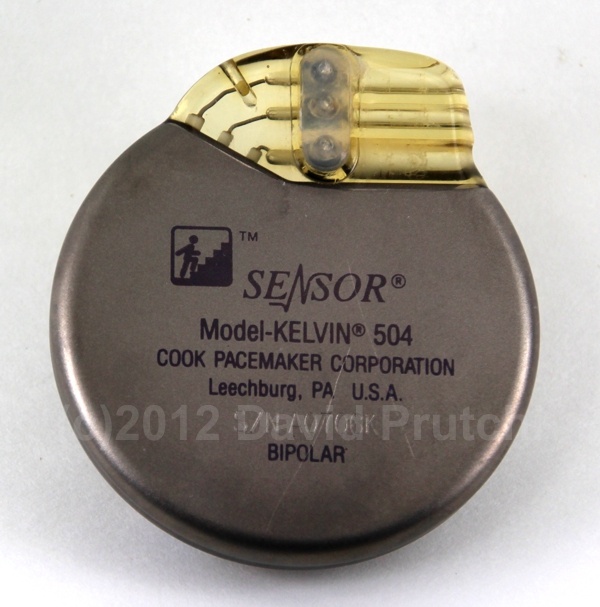
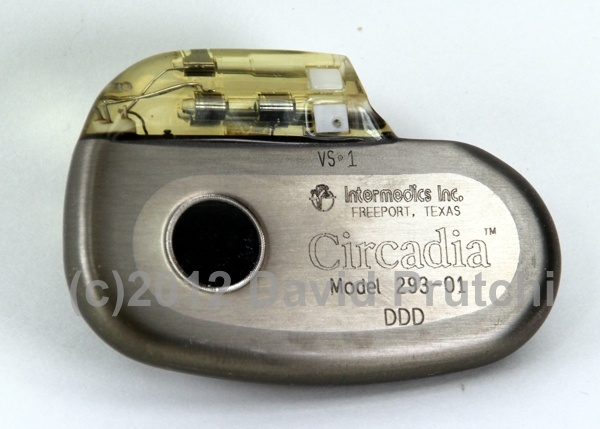
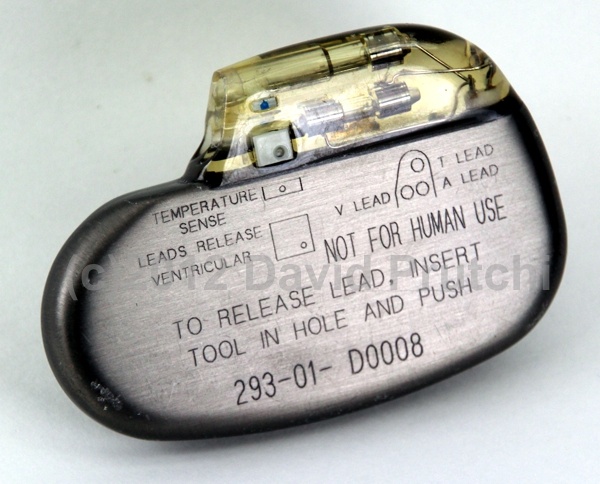
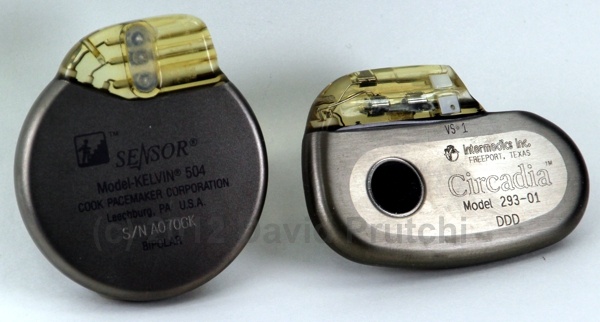 One of the indicators of metabolic demand that has been used for controlling the rate of pacemakers is central venous blood temperature (CVT).
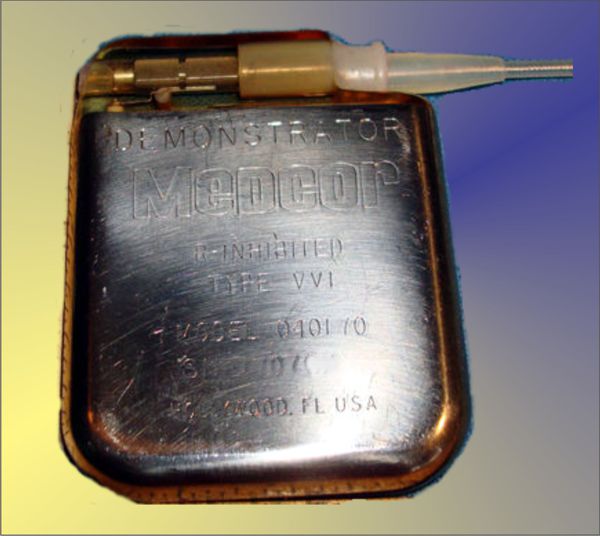
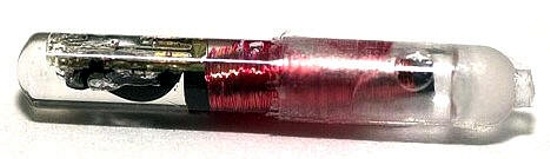
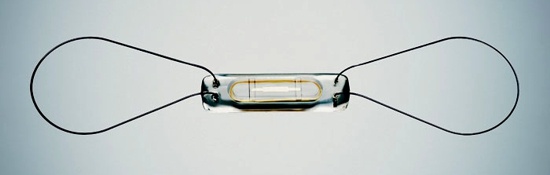

 Leptos Biomedical was founded in Fridley, MN in 2002 by Dr. John D. Dobak. Leptos intended to develop an implantable device to stimulate the greater splanchnic nerve, that was hoped would result in reduced food intake and increased energy expenditure.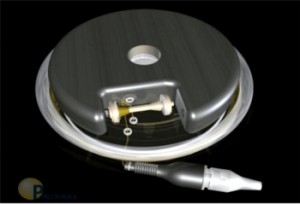

 We conduct reliability analyses for our implantable devices on a continued basis. I’ve spent the last few days readying the data for this period’s analysis, and thought that a short primer on how this is actually done would be of interest to fellow engineers who may need it at some point.